
Eddoes
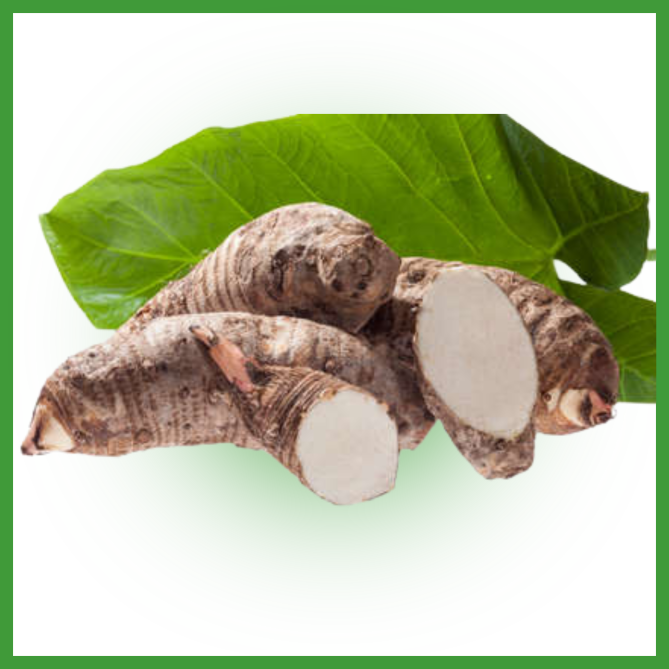
Eddoes
Eddoes
Known by various names such as taro and cocoyam, this root vegetable is a member of the Araceae family. Its scientific designation is Colocasia esculenta. While eddoes have been cultivated by the Chinese for more than 2,000 years, they have only recently caught the interest of Western cultures. Their flavor closely resembles that of a potato, but with an additional nutty undertone that sets them apart.
In contemporary times, eddoes have gained popularity in countries like Spain, Portugal, Brazil, and various tropical regions.
Due to their adaptability in various cooking styles and nutritional benefits, eddoes are gradually becoming a staple in many kitchens around the world.
- Fiber: 4g
- Fiber: 4g
- Carbohydrates: 28g
- Protein: 2g
- Vitamin A: 2%
- Vitamin C: 8%
- Calcium 4%
1
High in nutrients
Contains a large number of substances that are necessary to maintain a healthy and balanced diet.
2
High in dietary fiber
Helps to regulate and accelerate the digestive process and to lower cholesterol in the body.
3
Cholesterol free
In an excellent way to avoid the risk of acquiring heart disease, high blood pressure or overweight problems.
Benefits of the Eddoes
This root vegetable is packed with essential vitamins, minerals, and dietary fiber, making it a nutritious addition to any meal. It provides a balanced mix of simple and complex carbohydrates, which are perfect for individuals seeking sustained energy levels throughout the day. Moreover, its low sodium content makes it a suitable choice for those managing high blood pressure, as it can be enjoyed without the risk of increasing sodium intake. This makes it an excellent option for maintaining a heart-healthy diet while still providing the necessary nutrients to support an active lifestyle. Additionally, its versatility in culinary uses allows it to be easily incorporated into a variety of dishes, from hearty soups to satisfying side dishes.
The cormels and central corm of the ñampí are utilized in both human and animal diets. Once cooked, the pulp becomes soft, easy to digest, and boasts a pleasant flavor. In Costa Rican cuisine, this tuber is often added to soups along with other vegetables and meat, in a dish known as "pot of meat" or "olla de carne". It can also be enjoyed sliced, fried into thick flakes, or simply boiled in salted water, a preparation known as "sancochado". This method sometimes serves as a substitute for bread to accompany coffee or "aguadulce", a sweet beverage that is particularly popular in rural areas of Costa Rica. The ñampí is not only versatile and nutritious but also plays a significant role in the daily diet of many people in this country, offering a healthy and tasty alternative to more conventional side dishes.